Key figures: Sanlu Group (Shijiazhuang-based dairy producer), Li Changjiang (director, General Administration of Quality Supervision, Inspection and Quarantine), Zhang Yujun and Geng Jinping (convicted and executed)
Summary
The 2008 Chinese milk scandal was a food-safety disaster in which milk and infant formula were deliberately adulterated with melamine, a nitrogen-rich industrial chemical used in plastics and fertilizers. Suppliers watered down raw milk and added melamine so the diluted product would register a higher apparent protein content and pass quality tests. The contamination caused kidney stones and acute renal failure in infants fed the tainted formula.
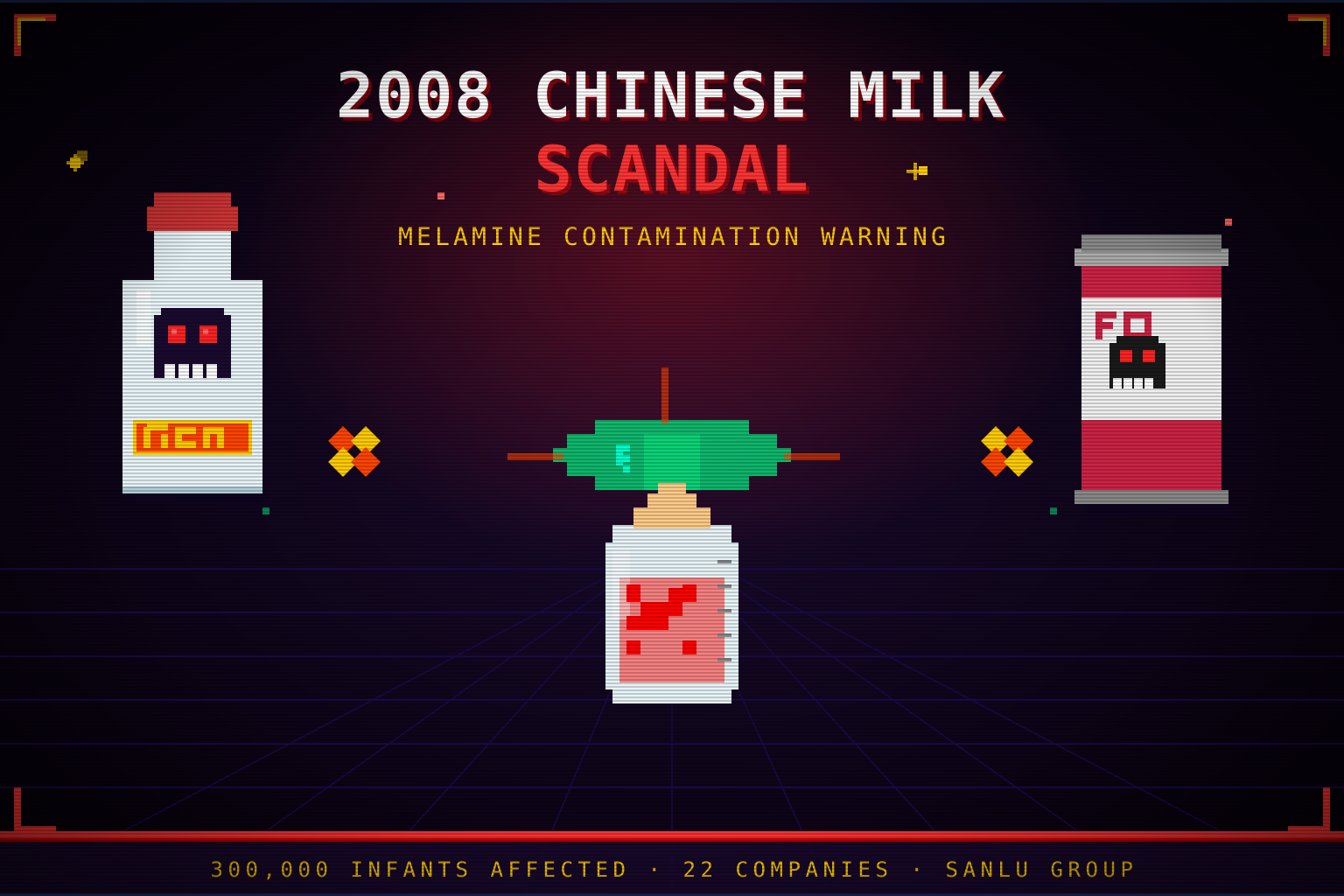
Chinese authorities reported that roughly 300,000 infants were affected, more than 50,000 were hospitalized, and at least six died. The scandal centred on the Sanlu Group, a major Shijiazhuang-based dairy producer, but government testing found melamine in products from 22 companies in total, including several of China’s largest dairy brands. Sanlu’s samples showed the highest contamination levels.
The crisis became public in September 2008. On September 11, media reports linked Sanlu’s infant formula to clusters of kidney stones in babies, and the Ministry of Health confirmed the connection that evening. Sanlu had received complaints as early as late 2007 and detected melamine in its supply by August 2008, but a full public warning and recall were not issued until mid-September.
Timeline and the Olympic Connection
Critics and later reporting alleged that the disclosure was delayed so that a food-safety scandal would not overshadow the 2008 Beijing Summer Olympics (August 8–24). New Zealand’s Fonterra, a minority shareholder in Sanlu, has said it pressed for a public recall and, when local authorities resisted, alerted the New Zealand government, which raised the matter directly with Beijing in early September — shortly after the Games closed. The full recall and public acknowledgement followed within days.
The scandal triggered international recalls and import bans: at least 25 countries and territories restricted or banned Chinese dairy products, and traces of melamine were found in products exported across Asia. The World Health Organization described the episode as “deplorable” and characterized it as a large-scale, intentional adulteration for economic gain.
Accountability
The government response was severe. Li Changjiang, head of the General Administration of Quality Supervision, Inspection and Quarantine (AQSIQ), resigned on September 22, 2008, and several local officials were dismissed. In the ensuing prosecutions, two men — Zhang Yujun, a melamine producer, and Geng Jinping, a milk dealer — were sentenced to death and executed on November 24, 2009. Sanlu’s former chairwoman Tian Wenhua received a life sentence, and the Sanlu Group was declared bankrupt.
Significance
The milk scandal was one of the most severe consumer-safety failures of the decade and a defining test of regulatory credibility for a China then presenting itself to the world through the Beijing Games. It exposed systemic weaknesses in China’s food-supply oversight, spurred a 2009 Food Safety Law and the eventual creation of a consolidated food-safety regulator, and left a lasting distrust of domestic infant formula that drove Chinese parents toward imported brands for years afterward. Coming the same year as the 2008 Sichuan earthquake, it deepened public scrutiny of official accountability and information transparency in China.